Classic Tartan Patterns

A brief Schottenkaro history

Tartan

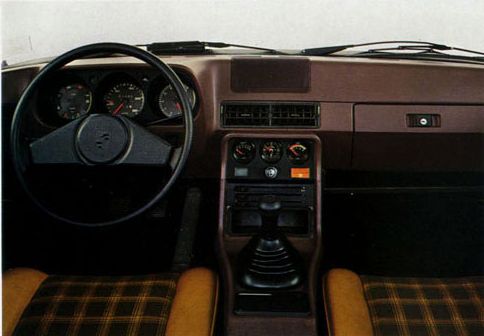
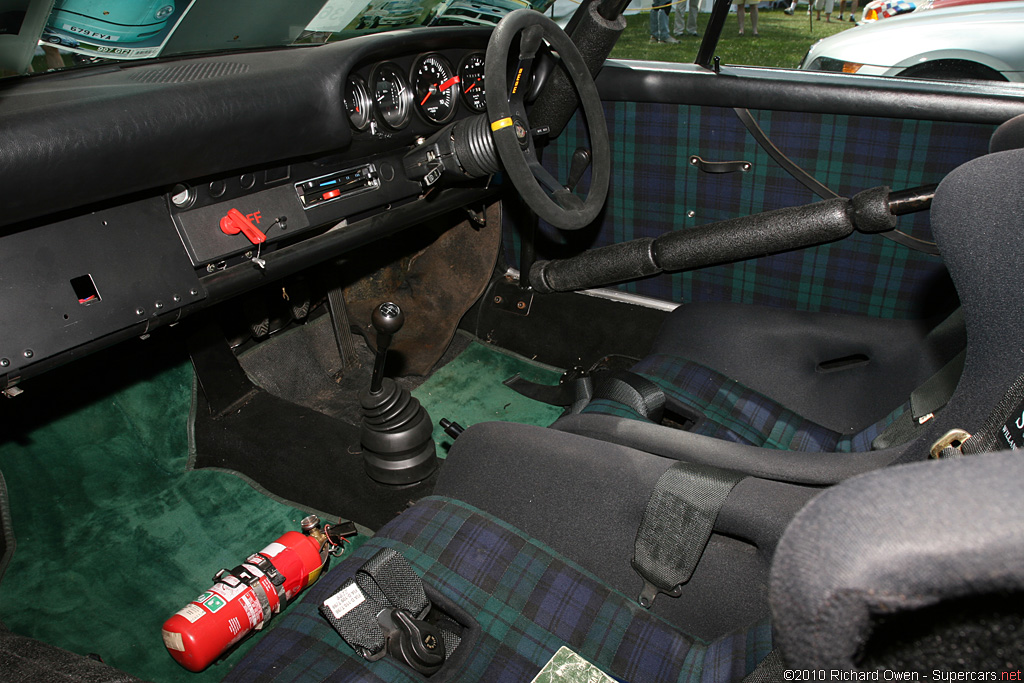
Porsche introduced tartan as a factory option in the mid-1970s, known internally as "Schottenkaro". The primary options available on models like the 911, 924, and 928 were based on traditional Scottish clan tartans.

The tartan epoch began around 1974, sparked by the unconventional eye of Porsche's chief designer, Anatole Lapine. Inspired by his own personal style—rumor has it, a pair of his bold tartan trousers—Lapine championed the introduction of authentic Scottish clan patterns as distinctive factory options. According to internal (and first-hand) Porsche Classic sources, the choice was dictated more from the availibility of the Tartan on the market rather then on pure estetical criteria.

Here below is a trio of the most notable, but other patterns were also used.
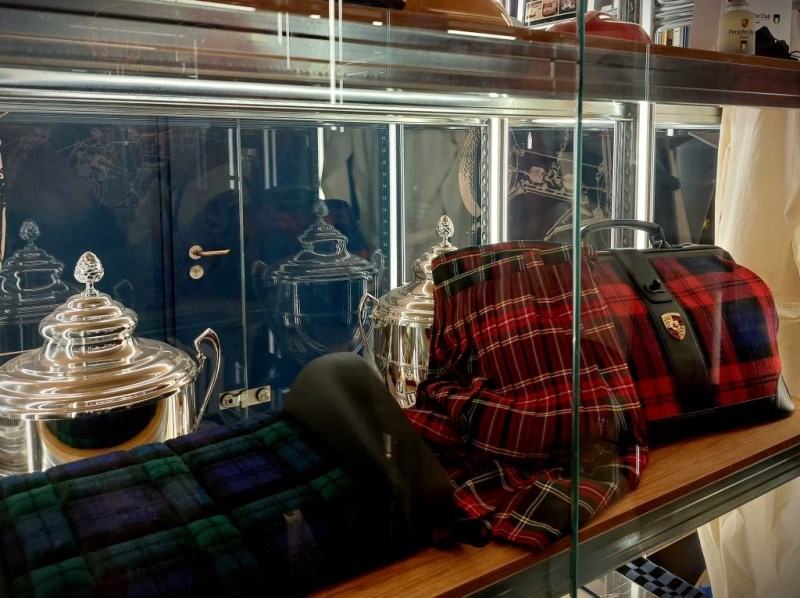
  • Blue/Green: This pattern is also known as the Black Watch tartan and features shades of blue, green, and black. These colors are characteristic of the original Black Watch (Royal Highland Regiment) military tartan, which is considered an "open tartan", meaning anyone can wear it regardless of Scottish clan affiliation. made its first public appearance in the automotive world at the 1973 International Motor Show (IAA) in Frankfurt on the Porsche 911 RSR Turbo concept car.
  • Red/Blue: Known as the McLaughlin (or MacLachlan) tartan, this bold pattern primarily uses red and blue. The MacLachlan tartan’s place in Porsche lore was cemented by its auspicious debut in athe very first production-spec 911 Turbo, a 70th birthday gift from Ferry Porsche to his sister, Louise Piëch, in 1974. This specific car and trim combination inspired the recent "First Turbo Remastered" Sonderwunsch project, which saw the pattern faithfully recreated for a modern 992 Turbo tribute.
  • Brown/Beige: This combinationwas available with a mix of brown and beige tones. It is also unofficially known as "Dress Mackenzie". More recently, Porsche officially reinterpreted the Mackenzie tartan with a new color scheme for the limited special edition 911 Turbo 50 Years (992 model series), with a new color scheme in shades of beige, red, blue, white, and olive green for the seat centers and door panels.

Tartan
From left to right: Black Watch; Macdonald; McLaughlin

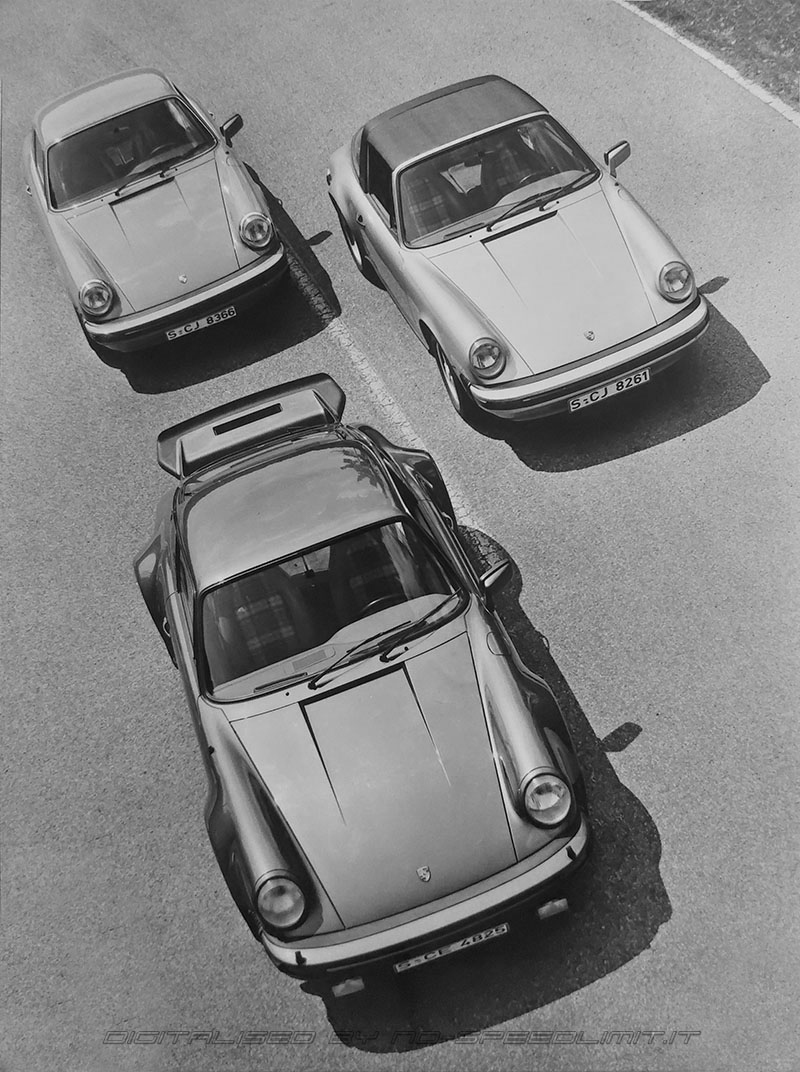
Porsche maintained the Tartan tissue on the G model color chart until MY 1980 and were almost neglected until the recent revival.

Beyond the special editions mentioned above, Porsche has reissued several of its historic fabrics, including various tartan options, through its Porsche Classic program and Porsche Exclusive Manufaktur personalization service, both of them we had the chance to visit in December 2025.