.jpg)
Interclassics Brussels 2016
The 2017 edition of InterClassics Brussels, held at Brussels Expo, confirmed once again how steadily the Belgian classic car market has matured into one of the most interesting meeting points in Northern Europe. Unlike the more spectacle-driven shows in other countries, Brussels has always kept a slightly more restrained, trade-oriented atmosphere, where serious collectors, dealers, and restorers dominate the halls.
.jpg)
Walking through the exhibition space in 2017, the structure followed a familiar but effective formula: dealer stands arranged alongside club displays, restoration workshops, and a dedicated area for automobilia and spare parts. The balance between cars for sale and curated historical pieces gave the event a practical tone, closer to a high-level marketplace than a pure museum-style exhibition.
Among the most visible trends that year was the continued strength of 1960s and 1970s European sports cars. Air-cooled Porsche 911 models were prominently featured across several stands, ranging from early narrow-body versions to more aggressive RS-inspired builds. Jaguar E-Type examples, both coupé and roadster, also drew consistent attention, often positioned as investment-grade restorations rather than static display pieces.
Mercedes-Benz maintained a strong presence as well, particularly the W113 “Pagoda” SL and various W111 coupe models, reflecting the ongoing demand for well-documented, factory-correct examples. Italian classics were less dominant in volume but highly visible in terms of interest, with Ferrari and Alfa Romeo models acting as focal points for visitors moving through the main aisles.
A notable characteristic of the 2017 edition was the emphasis on condition and provenance. Many vehicles were presented with detailed restoration documentation, reflecting a market that had clearly shifted away from purely aesthetic appeal toward verified historical accuracy. This was particularly evident in the pre-war selection, where Bentley and Rolls-Royce models were shown with a strong focus on originality rather than cosmetic over-restoration.
Outside the dealer halls, the club areas added a more informal layer to the event. Belgian enthusiast groups brought together compact but well-curated displays, often centered around a single marque or racing lineage. Given Belgium’s proximity to Spa-Francorchamps and its long motorsport tradition, competition heritage was a recurring theme even in a static show environment.
Although InterClassics Brussels does not aim for the scale of the larger European fairs, the 2017 edition reinforced its role as a serious seasonal checkpoint for the classic car market in the Benelux region. It is less about spectacle and more about the quiet negotiation between history, value, and mechanical preservation—something that clearly defines its identity within the European classic scene.
Below is a brief photo gallery. Follow our Twitter account for additional images #interclassicsBrussels.
.jpg)
.jpg)
.jpg)
.jpg)
.jpg)
.jpg)
.jpg)
.jpg)
Interclassics Brussels 2016
.jpg)
Interclassics Brussels 2018
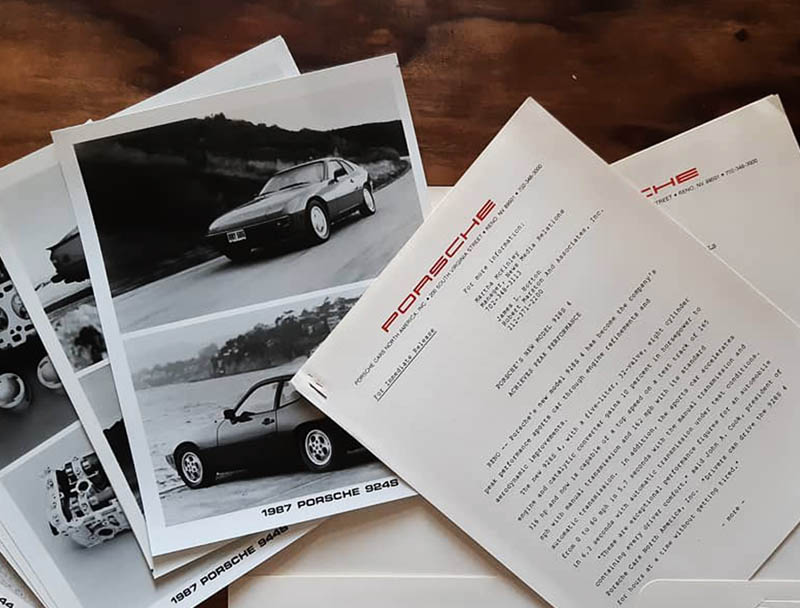
Porsche Press kit
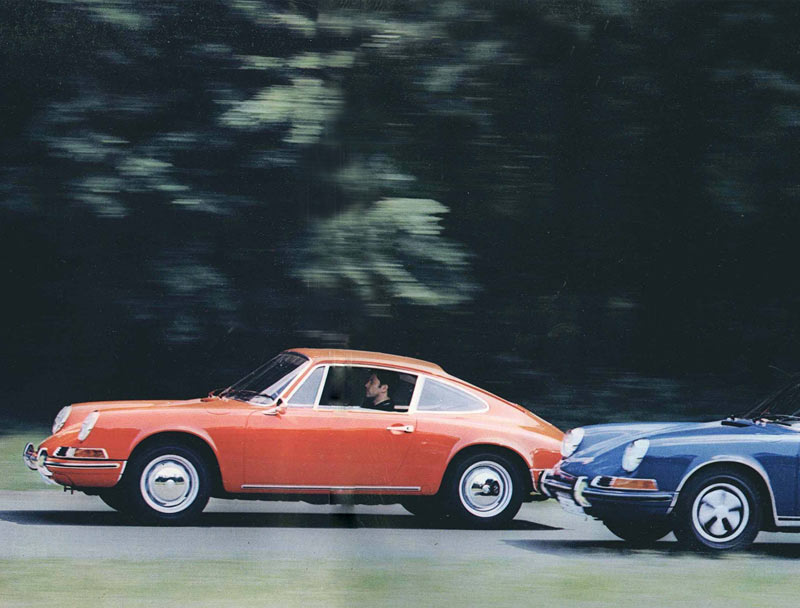
Porsche Literature
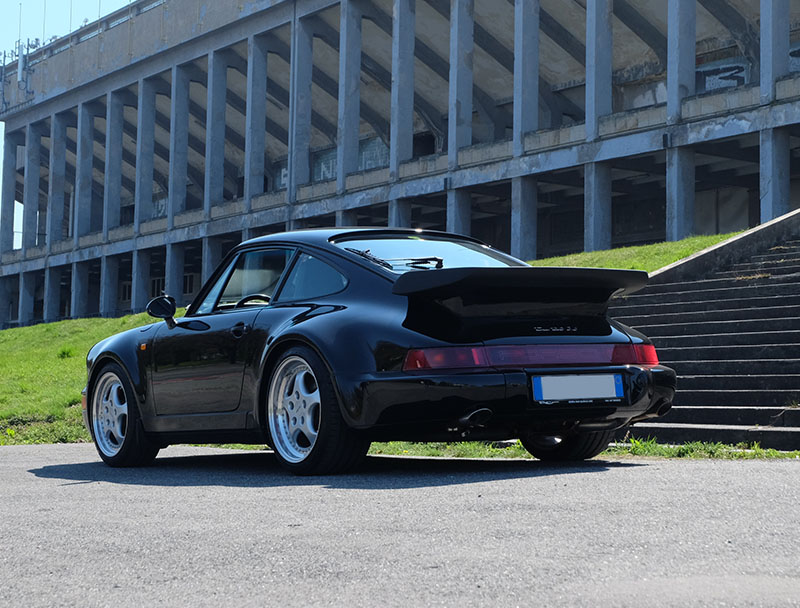
Our Porsche Cars